How to Choose a Nail Brand in Australia: 6 Things Every Nail Tech Should Check
Quick answer: There's no single "best" nail brand in Australia. There's only the brand that meets the standards that actually matter for your clients and your business. Before you commit to a gel polish or builder system, check six things: ingredient transparency, sourcing standards, track record, honest pricing, honest performance claims, and cruelty-free/environmental claims. This guide walks through each one, with real examples, so you can run the same checklist against any brand you're considering, including us.
Why "Best Gel Polish Brand" Is the Wrong Question
Search "best gel polish brand Australia" and you'll get a long list, each with a strong case for the top spot. Fine as a starting point, but a ranking doesn't tell you whether a brand actually meets your standards.
What's more useful is your own checklist: things you can verify yourself, regardless of which brand you're looking at. Here are six we think are worth checking. We're glad to be measured against them too.
1. Ingredient Transparency: Will the Brand Show You the SDS?
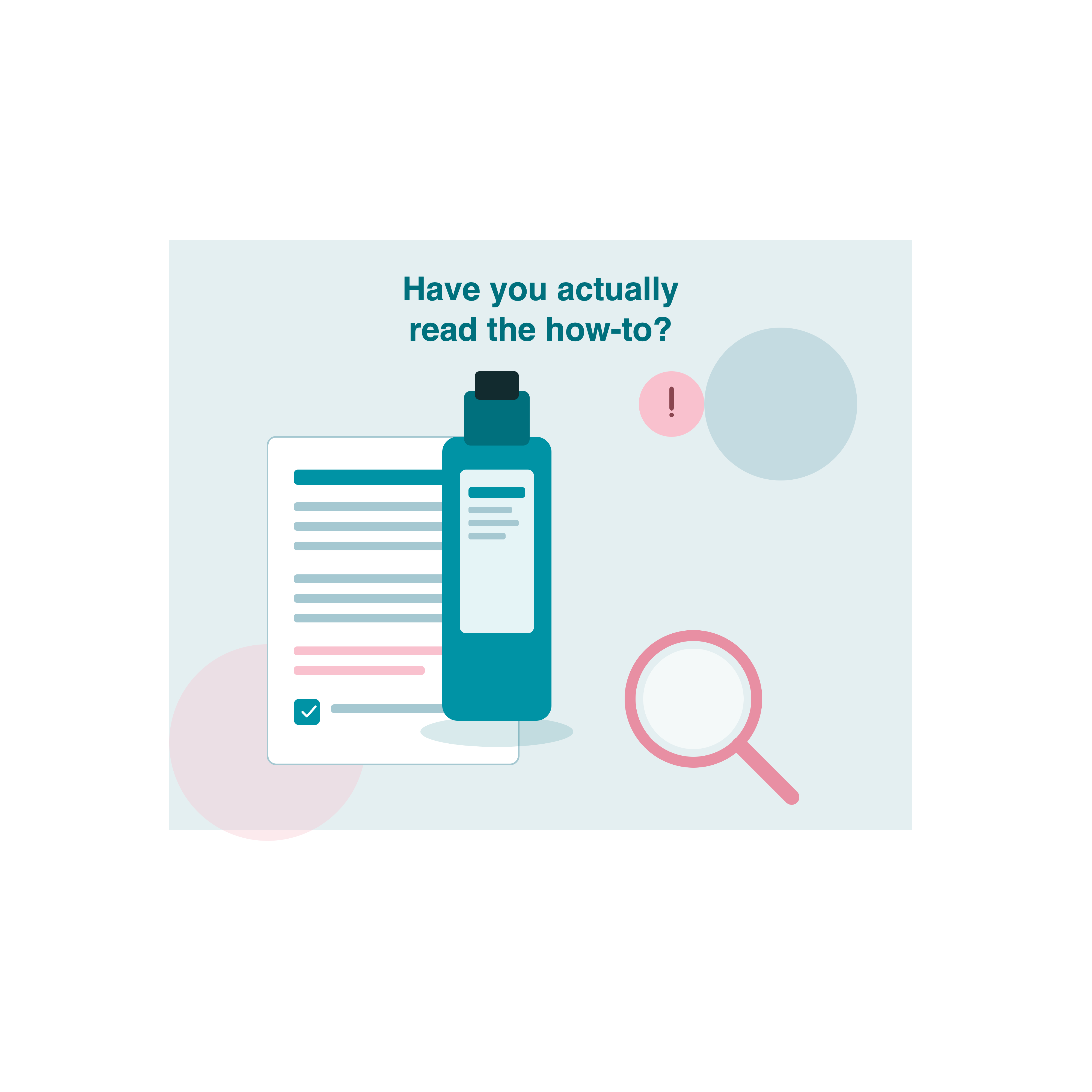
Every professional nail product sold in Australia should have a Safety Data Sheet (SDS): a document listing the exact ingredients, their CAS numbers, and their concentration by percentage. That's standard practice for anyone formulating and manufacturing chemical products responsibly.
The real question is whether a brand actually hands it over.
Every product across our range, gel polish, BIAB, top coats, and beyond, has a published SDS with full ingredient breakdowns. That matters because it lets a claim like "HEMA-free" get checked against the actual formulation instead of taken on trust. For a full walkthrough of reading one, see Understanding Safety Data Sheets.
What to check: Can you find a full SDS for the specific product you're using, not just a general ingredient statement on the packaging?
2. Sourcing Standards: Where Do the Raw Materials Come From?
Manufacturing standards and ingredient regulations vary a lot by region. Materials sourced from the USA and EU are made under some of the strictest regulatory frameworks in the world, which affects consistency and safety at the raw-material level, before the finished product ever reaches a salon.
We source our BIAB, hard gels, rubber base, acrylics, and essentials exclusively from the USA and EU for exactly this reason. It's not a "global" claim. It's a specific, checkable sourcing decision.
What to check: Ask where the brand's raw materials are manufactured, not just where the finished bottle is packaged.
3. Track Record: What Do Verifiable Third Parties Say?
Testimonials on a brand's own website are curated by definition. A longer operating history and a large volume of independent, public reviews give you something you can check yourself, outside the brand's own marketing.
We've been supplying professional nail products and education across Australia and New Zealand since 2013, 13 years in the industry, and currently hold a 4.9-star rating across 554 Google reviews. Anyone can look that up directly.
What to check: How long has the brand operated, and can you find independent reviews on Google or elsewhere, rather than only testimonials on the brand's own site?
4. Price: Is There a Reason Behind It?
Price alone doesn't tell you much without context. Two products at very different price points can both be reasonable choices, depending on what's behind the price.
We're upfront that we're not positioned as the cheapest gel polish on the market. Our pricing reflects sourcing raw materials from the USA and EU and maintaining full ingredient disclosure across the range. That's the trade-off we've chosen, and we'd rather state it plainly than leave you to guess.
What to check: Can the brand explain what its pricing reflects (sourcing, disclosure, formulation), rather than price being the only thing on offer to compare?
5. Honest Performance Claims: Does the Brand Admit Variation?
"One-coat coverage on every colour" is a common line in gel polish marketing. In reality, coverage depends on the specific colour and pigment load. Sheers, pastels, and glitters typically need more coats than solid, high-pigment shades, regardless of brand.
We'd rather say it plainly: coverage varies by colour and by range. Some of our shades are true one-coat. Others, particularly sheers and pastels, perform best with two.
What to check: Does the brand's coverage claim hold up for the specific shade you're using, or is it a general statement that may not apply to every colour in the range?
6. Cruelty-Free and Environmental Claims: Is There an Exception Clause?
"Cruelty-free," "vegan," and "clean" are worth checking closely, because none of these terms are standardised the way an SDS is. There's no single Australian regulatory body verifying them, and brands can define them differently. We've written a full breakdown of what these terms actually mean in Let's Get Real About Product Claims; the short version is below.
Our products are cruelty-free and free from animal-derived ingredients, with one disclosed exception: Kolinsky acrylic brushes, which use natural Kolinsky hair. That's a company policy statement, not a third-party certification like Leaping Bunny, and we think the exception is worth naming rather than leaving out of the claim.
What to check: Does the brand's cruelty-free claim come with a clear scope, what's included, what isn't, or is it a blanket statement with no exceptions listed?
Frequently Asked Questions
What is the best gel polish brand in Australia?
There's no single answer that applies to every salon or technician. Instead of ranking by marketing claims, evaluate brands against checkable criteria: published ingredient data (SDS), where raw materials are sourced from, verifiable review history, and whether performance claims like coverage are realistic rather than blanket statements.
How do nail techs choose which brand to use?
Experienced technicians typically prioritise consistency (does every colour in the range perform the same way), ingredient transparency (can you see an SDS), and sourcing (where and under what regulatory standards the raw materials are made) over price alone or brand reputation claims.
What does HEMA-free actually mean, and why does it matter?
HEMA-free means a product is formulated without 2-hydroxyethyl methacrylate, an ingredient linked to allergic sensitisation with repeated skin contact. The claim is only as reliable as the documentation behind it: a published SDS listing the actual ingredients and their concentrations is what confirms a HEMA-free claim, not the label alone. "HEMA-free" doesn't automatically mean "allergen-free" either. Related methacrylates can still cause reactions in sensitised individuals. For a deeper look at what's actually in gel and builder formulas, see What's Really in Your Nail Products?
Why should I check a brand's Safety Data Sheet (SDS)?
An SDS lists the specific ingredients in a product by name, CAS number, and percentage. It lets you verify marketing claims like "HEMA-free" or "clean formula" against the actual formulation, and it's information a transparent brand should be willing to provide for every product it sells, not just a flagship line.
Is a more expensive gel polish always better quality?
Not necessarily, and not automatically. Price should be weighed alongside sourcing standards and ingredient transparency rather than treated as a standalone indicator of quality. A higher price only means something if it's backed by verifiable sourcing and disclosed ingredients.
What does "cruelty-free" mean for a nail brand, and is it regulated?
There's no single Australian regulator that certifies "cruelty-free" claims, so brands can define the term differently. A useful check is whether the brand states its scope clearly, including any disclosed exceptions, rather than making an unqualified claim.
The Bottom Line
We're not going to tell you we're the best nail brand in Australia. That's not a claim anyone can actually verify, from us or from anyone else. What we can tell you is what to check: the SDS, the sourcing, the review history, the pricing logic, and whether performance claims hold up shade by shade. We're happy to be measured against exactly that checklist.
If the same routine works on 19 clients and fails on the 20th, is the product the problem — or the nail plate? A closer look at the PN Gel Products and how to choose the right system for the client in your chair.
Welcome to our website. If you continue to browse and use this website, you are agreeing to comply with and be bound by the following terms and conditions of use, which together with our privacy policy govern Planet Nails’s relationship with you in relation to this website. If you disagree with any part of these terms and conditions, please do not use our website.
From time to time the terms may be changed/updated. If anything is unclear, please contact us for more details.
・All prices include 10% GST.
・The warehouse and showroom is based in Melbourne, Australia.
・All pricing, specifications, descriptions are subject to change without notice.
・Planet Nails is based in Melbourne and as such is subject to the laws of the state of Victoria.
・Planet Nails only sells to trained professionals over the age of 18. It is assumed that customers purchasing products from us are educated in nail/beauty technology and understand how to use the products. Customers understand that incorrect use of the products could result in damage to your nails/skin. Any information from this site is not meant to replace training.
・Planet Nails will not be held liable for incorrect use of products or any other losses suffered as a result of the use of the products. ,
・Ownership of goods remain the property of Planet Nails until full payment has been received.
The term ‘Planet Nails’ or ‘us’ or ‘we’ refers to the owner of the website whose registered office is 8 Conara Rd, Kunda Park, 4556 QLD. Our ABN is 88162910590. The term ‘you’ refers to the user or viewer of our website.
The use of this website is subject to the following terms of use:
The content of the pages of this website is for your general information and use only. It is subject to change without notice.
Neither we nor any third parties provide any warranty or guarantee as to the accuracy, timeliness, performance, completeness or suitability of the information and materials found or offered on this website for any particular purpose. You acknowledge that such information and materials may contain inaccuracies or errors and we expressly exclude liability for any such inaccuracies or errors to the fullest extent permitted by law.
Your use of any information or materials on this website is entirely at your own risk, for which we shall not be liable. It shall be your own responsibility to ensure that any products, services or information available through this website meet your specific requirements.
This website contains material which is owned by or licensed to us. This material includes, but is not limited to, the design, layout, look, appearance and graphics. Reproduction is prohibited other than in accordance with the copyright notice, which forms part of these terms and conditions.
All trademarks reproduced in this website, which are not the property of, or licensed to the operator, are acknowledged on the website.
Unauthorised use of this website may give rise to a claim for damages and/or be a criminal offence.
From time to time, this website may also include links to other websites. These links are provided for your convenience to provide further information. They do not signify that we endorse the website(s). We have no responsibility for the content of the linked website(s).
Your use of this website and any dispute arising out of such use of the website is subject to the laws of Australia.
Privacy Policy
his privacy policy explains how Planet Nails Distribution collects, uses, and protects your personal information when you use our website. We are committed to safeguarding your privacy in accordance with the Privacy Act 1988 (Cth) (Australia) and applicable New Zealand privacy legislation.
We may update this policy from time to time. Please check this page periodically to stay informed of any changes.
What We Collect
We may collect the following information:
Name and contact details including email address and phone number
Delivery and billing address
Postcode and demographic information
Purchase history and product preferences
Information provided through customer surveys or enquiry forms
How We Use Your Information
We use your information to:
Process and fulfil your orders
Maintain internal records
Improve our products, services, and website experience
Send you promotional emails about new products, special offers, and updates relevant to the nail industry — only where you have opted in or where permitted by law
Conduct occasional customer research to help us serve you better
You can opt out of marketing emails at any time by clicking the unsubscribe link in any email we send, or by contacting us directly.
We will never sell, distribute, or lease your personal information to third parties unless required by law.
Security
We are committed to keeping your information secure. We use SSL encryption, firewalls, password protection, and anti-virus software to protect data held on our systems. We do not store credit card details. All payments are processed securely through our approved payment providers.
Cookies
We use cookies to analyse website traffic and improve your browsing experience. Cookies help us understand which pages are most useful and allow us to tailor the site to your needs. Cookies do not give us access to your computer or any personal information beyond what you choose to share.
You can choose to decline cookies by adjusting your browser settings, though this may affect some website functionality.
Links to Other Websites
Our website may contain links to third-party websites. Once you leave our site, we are not responsible for the privacy practices of those sites. We recommend reviewing the privacy policy of any external site you visit.
Accessing or Correcting Your Information
If you believe any information we hold about you is incorrect or incomplete, please contact us by email and we will correct it promptly.