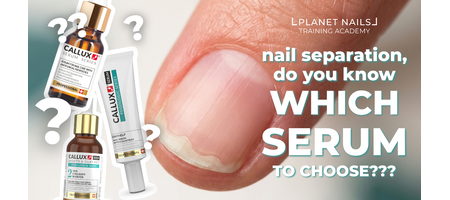
Nail separation aftercare
You've spotted nail separation, you've refused the service, and the cause is clear and not one for the doctor. So what do you send your client home with?
Planet Nails Training Academy
7 October 2026

14 August 2026
Why the biggest cause of poor results isn't the product you chose, it's the instructions you skipped.
Most nail techs buy from more than one supplier. Sales, restocks, trying something new, that's just how it goes, and there's nothing wrong with it. The problem shows up later, at the nail wheel or on a client, when a product doesn't behave the way you expected.
Before blaming the product, it's worth asking a more useful question: did you actually read how it's meant to be used?
When you've been doing nails for years, it's easy to assume every base, builder, or polygel behaves like the one you already know. So the new product gets used the old way, same layer thickness, same cure time, same prep steps, without checking whether that's actually right for it.
Formulas differ between brands, and sometimes between ranges from the same brand. Cure times, layer thickness, prep steps, and compatible top or base products can all be different, even when two products look similar in the pot.
This isn't about reading a label once. It's about checking a few specific things every time you bring in something new:
Mixing suppliers isn't the issue. The issue is treating every new product as if it's identical to the last one, instead of spending five minutes with the actual usage guide before it touches a client's nail.
Next time you bring in something new, on sale or not, try this before your first application:
Five minutes of reading is a lot cheaper than a redo, a refund, or a client who doesn't rebook.
Why do the same techniques give different results with different brands?
Formulas vary in chemistry, viscosity, and cure requirements even when products look similar. A technique tuned to one brand's builder or gel may not suit another's cure time or layer thickness.
Is it bad practice to buy nail products from multiple suppliers?
No. Most technicians buy from several suppliers, often to take advantage of sales. The issue isn't where a product comes from, it's using it without checking its specific instructions first.
What's the first thing to check when a new nail product isn't performing as expected?
Check the manufacturer's how-to-use guide for cure time, lamp compatibility, and layer thickness before assuming the product is faulty. Undercured or partially cured product is one of the most common causes of lifting and durability issues, and it usually traces back to a cure time or thickness mismatch.
You've spotted nail separation, you've refused the service, and the cause is clear and not one for the doctor. So what do you send your client home with?
Planet Nails Training Academy
7 October 2026

If the same routine works on 19 clients and fails on the 20th, is the product the problem — or the nail plate? A closer look at the PN Gel Products and how to choose the right system for the client in your chair.
Planet Nails
26 August 2026

14 August 2026

14 August 2026


